- Suisun-Solano Water Authority -

Converting a Water Treatment Plant from Gaseous Chlorine Disinfection to a Sodium Hypochlorite Disinfection System

Water Treatment Plant

Author: Tony Park, P.E.
Design: 2019 - 2020

Cement Hill Plant-Horizontal


Cement Hill Water WTP City of Fairfield


Background

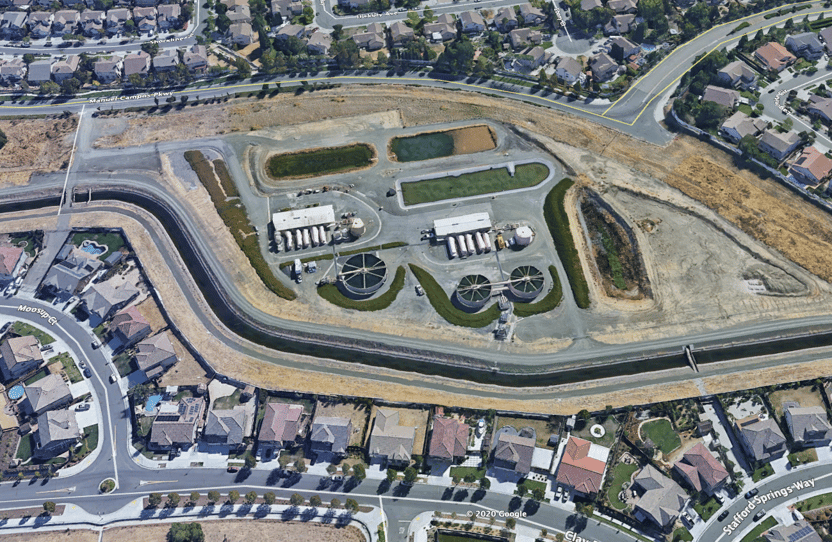
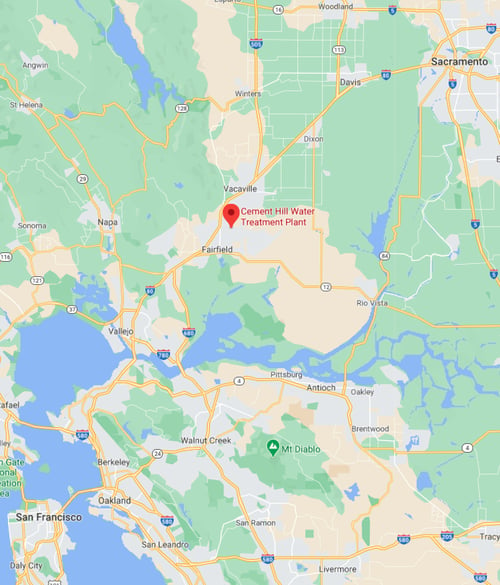
The Cement Hill Water Treatment Plant is located in the city of Fairfield, CA, which is the halfway point between San Francisco and Sacramento. It’s the home of Travis Air Force Base and the headquarters of Jelly Belly, which was made famous by Ronald Reagan. The Suisun-Solano Water Authority (SSWA) operates the plant.

Jelly and travis - revised


Chlorine Gas Ton Containers 2 - 72 DPI cropped

SITUATION

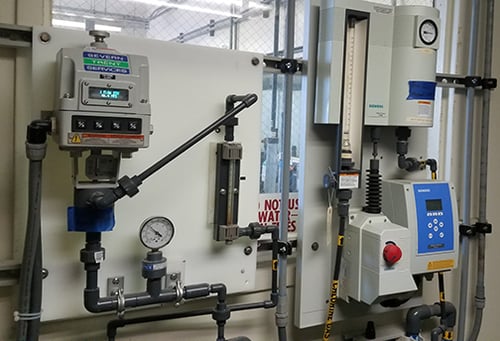
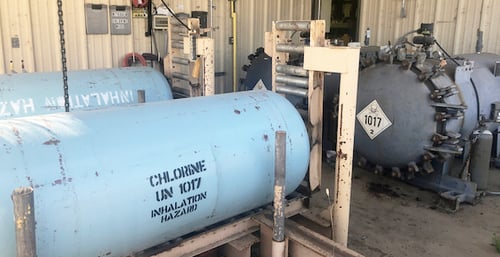
Cement Hill is a conventional water treatment plant utilizing coagulation, clarification, filtration, and disinfection processes to produce up to 10 million gallons per day (mgd) of potable (drinking) water. The plant treats water, conveyed via the Putah Canal, from Lake Berryessa. The disinfection process utilizes a chlorine gas system and SSWA wants to convert the disinfection process to a sodium hypochlorite disinfection system.


Challenge

Project goals include two main objectives: Convert the disinfection process from gaseous chlorine disinfection to sodium hypochlorite disinfection and replace the polymer storage and metering system.

Converting the existing chlorine gas system to sodium hypochlorite (liquid) posed a few challenges.
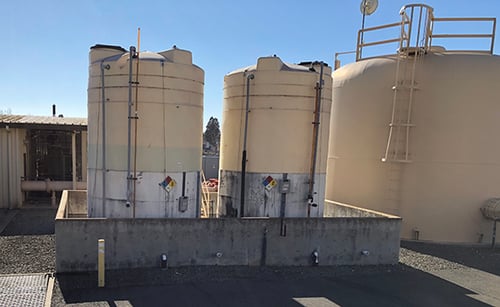
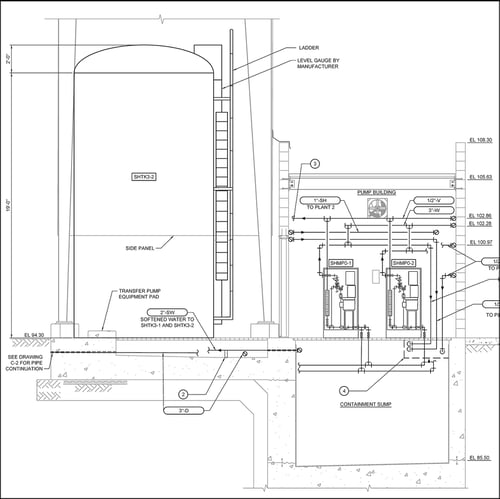
CEMENT HILL Hypochlorite Facility Cropped


"The challenges posed by limited space constraints on site were mitigated utilizing creative solutions, such as providing secondary containment for chemical storage required by OSHA in the basement level of the new Sodium Hypochlorite Facility"


Solutions
1.Limited space on site

There is no available spot on the site that is large enough for the new Sodium Hypochlorite Facility.
  1. Relocated Polymer Facility
    The polymer facility, which has exceeded its useful life, will be relocated, which frees up a large enough area to build the new Sodium Hypochlorite Facility.

  2. Space saving solution for secondary containment
    To minimize the footprint of the new Sodium Hypochlorite Facility, the secondary containment for chemical storage required by OSHA is provided in the basement level of the new Sodium Hypochlorite Facility.


"Several shutdown constraints requires preparation of thorough construction sequencing to allow the treatment plant to continuously provide clean water to its customers during construction without the need for any temporary systems."


2.Construction Schedule and Sequencing

Construction sequencing is always a significant challenge when implementing improvements in an active treatment plant. The construction sequencing on this project is even further challenged by some very restrictive constraints.

  1. Avoid Temporary Systems
    Temporary systems require spending money on items that do not become part of the actual improvements. The project funding is very limited, and avoiding temporary systems is an important project constraint.

  2. Putah Canal Cleaning
    Canal cleaning occurs once a year over a two-week period. The plant must remain operational at full capacity during this time. To maintain water quality, an abundance of chemicals is used, and it is important for all chemical systems to be available and working at maximum capacity during this time.

  3. High Demand Period
    No shutdowns are acceptable during the high demand period for the treatment plant (April 15 through October 1).

  4. Chlorine Gas Pipe
    The project construction requires working on utilities inside the existing pipe trench, which also houses the existing chlorine gas pipe. For safety reasons, shutting down and purging the chlorine gas pipe is necessary for each instance any work is performed inside the existing pipe trench.


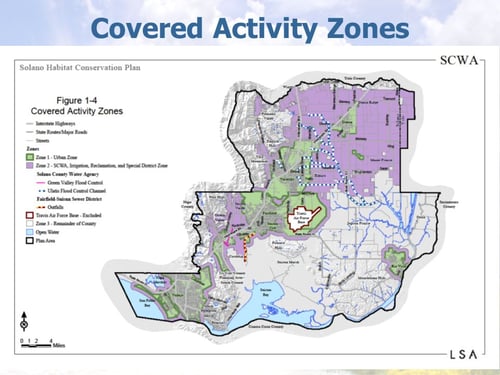
Solano County Habitat Conservation Map


3.CEQA Mitigations

The treatment plant is located within the area covered by the Solano County Habitat Conservation Plan. SSWA voluntarily complied with the Habitat Conservation Plan requirements, which requires adherence to numerous avoidance and minimization measures to protect the local biological and cultural resources.




"Smoother acceptance of the project by the regulators was ensured by carefully coordinating with them at several project milestones."


4.Health and Safety Regulations

This project eliminates the storage of chlorine gas on site, which is very important for both the community and the health and safety regulators. The project team collaborated and worked very closely with Solano County Environmental Health Services to ensure that their requirements are met and to keep them apprised of the project progress.


Results

LEE + RO provided creative solutions and detailed construction sequencing requirements to navigate the numerous challenges inherent to this $3.4MM project while providing the plant the ability to continue producing drinking water for its customers without any interruptions during construction. The improvements convert the disinfection system from chlorine gas to sodium hypochlorite and replace the aging chemical storage and metering systems. This increases the safety, reliability, and redundancy of the system, thereby providing Suisun-Solano Water Authority with the ability to supply reliable safe drinking water to its customers.

More Solutions

Download the Case Study